7 Phone Interview Tips to Make a Strong Impression (2026 Guide)
I’ll be honest: my first phone interview was a disaster. I was sitting on my bed, tethered to a landline, and when the interviewer asked, “Tell me about a time you had to resolve a conflict,” I froze. The silence stretched so long I could hear my own heartbeat. I mumbled something about a group project, but I knew I’d lost them. Years later, after conducting hundreds of phone screens myself, I’ve learned that a phone interview isn’t just a casual chat—it’s a high-stakes audition for your voice, your energy, and your preparation. In 2026, with remote hiring still the norm, nailing that first call is more important than ever. Here are seven phone interview tips to make a strong impression—backed by real experience and a few hard-won lessons.
1. Prepare Your Environment and Tech Like a Pro
When I tried to do a phone interview from a coffee shop once, the barista’s espresso machine sounded like a jet engine. I spent half the call apologizing and repeating myself. That’s the day I learned that your environment is your first impression. Here’s what actually works:
- Find a quiet, private space. A room with a door that closes. No open windows, no pets, no roommates. Treat it like a recording studio.
- Test your tech 30 minutes before. Check your phone’s battery, signal strength, and headphones (wired is more reliable than Bluetooth). If you’re using a VoIP service like Zoom or Google Voice, do a test call to a friend.
- Eliminate notifications. Put your phone on Do Not Disturb, close all browser tabs, and silence your computer. One ding can derail your train of thought.
I once had a candidate whose dog barked through half our conversation. She handled it gracefully, but it cost her credibility. Don’t let a preventable distraction cost you the job. A clean setup lets you focus entirely on the conversation—not on hoping the line doesn’t drop.
2. Master Your Voice and Tone to Convey Confidence
On a phone call, your voice is 100% of your presence. I’ve listened to candidates who sounded bored, rushed, or apologetic—and I’ve hung up feeling lukewarm. In my own setup, I discovered that standing up while talking transformed my energy. My breath deepened, my pitch dropped, and I sounded like someone you’d want to work with. Try it: stand during your next practice call. You’ll feel the difference.
Key techniques to sound confident:
- Smile while you speak. It sounds cheesy, but a smile changes your vocal timbre. It makes you sound warm and engaged—even through a handset.
- Pace yourself. Nervous talkers speed up. Practice speaking at a measured tempo, and pause after key points. Silence isn’t a void; it’s emphasis.
- Vary your pitch. Monotone is the enemy. Add inflection to show enthusiasm when discussing a project you loved, or seriousness when talking about a challenge.
One counter-intuitive insight: don’t over-rehearse your tone. I’ve heard candidates who sound like they’re reading a script—perfect, but hollow. Let a little natural excitement bleed through. It’s human, and it’s memorable.
3. Structure Your Answers with the STAR Method for Impact
The STAR method (Situation, Task, Action, Result) isn’t new, but most people use it wrong. They narrate a long story without landing the result. On a phone interview, where attention spans are short, you need to be concise and memorable. Here’s a concrete example from a real candidate I interviewed:
Situation: “At my last job, our quarterly sales report showed a 15% drop in renewals.”
Task: “I needed to identify the root cause and reverse the trend within two months.”
Action: “I analyzed customer feedback, found that our onboarding emails were too technical, and rewrote them with simpler language. I also set up a feedback loop with the support team.”
Result: “Renewals climbed back to 92% within six weeks, and the VP of Sales used my email template for the entire department.”
Notice how tight that is? No rambling. No “um” or “like.” The result is a specific number and a tangible impact. Practice your own stories this way: write them out, then cut 30% of the words. Your interviewer will thank you.
4. Use Active Listening and Strategic Note-Taking to Stand Out
Active listening on a phone is harder than in person because you can’t see nods or eye contact. But you can show it verbally. One technique that works: paraphrase the interviewer’s question before answering. For example, “So if I understand correctly, you’re asking how I’ve handled a tight deadline with limited resources?” This buys you thinking time and proves you’re engaged.
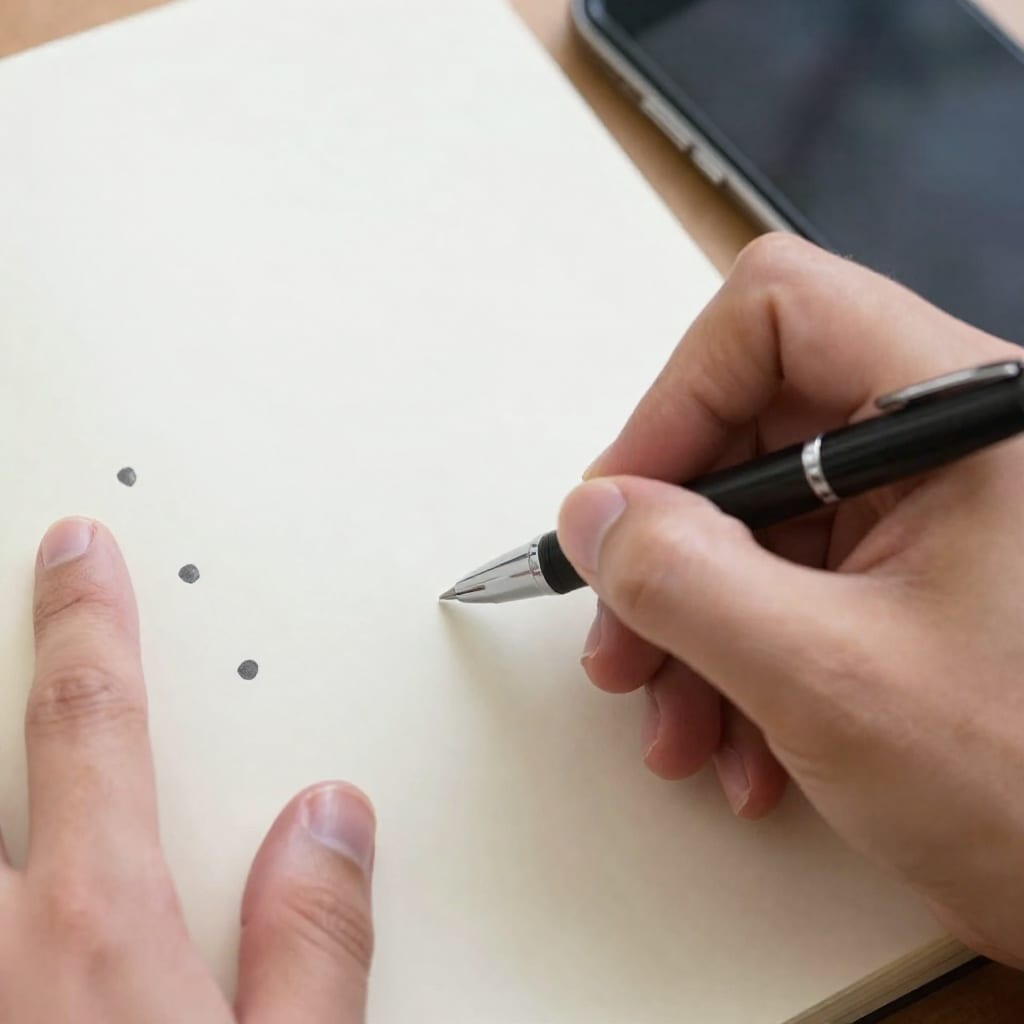
As for note-taking: yes, it’s allowed. But don’t type—write by hand. The sound of keyboard clicks is distracting. I keep a notepad with bullet points: key stats, the interviewer’s name, and 2–3 questions I want to ask. When I wrote down a candidate’s specific project name and referenced it later, she was visibly impressed (I could hear it in her voice). That’s how you stand out.
5. Prepare Smart Questions That Show You’ve Done Your Homework
At the end of every phone interview, the interviewer will ask, “Do you have any questions for me?” Saying “No” is a missed opportunity. But asking “What’s the culture like?” is generic. Smart questions demonstrate research and genuine curiosity. Here are three I’ve seen work wonders:
- “I read that your team recently launched [product/feature]. What’s been the biggest challenge in scaling it?” This shows you’ve looked at their news or blog.
- “How does this role interact with the [specific department] in the first 90 days?” This signals you’re thinking about integration, not just tasks.
- “What’s one skill or trait that separates your top performers from the rest?” This reveals what they truly value—and gives you a hint for follow-up.
I once asked a question about a recent company acquisition during a phone screen. The hiring manager paused, then said, “That’s the best question anyone has asked all week.” I got the in-person interview. Do your homework—it pays off.
6. Handle Unexpected Moments Gracefully (Pauses, Technical Glitches, Tough Questions)
Here’s where the pros separate from the amateurs. Unexpected moments happen. I’ve had calls drop, long silences, and questions that threw me off guard. The key is to have a script for each scenario:
- An awkward pause: Don’t fill it with “um.” Take a breath and say, “Let me think about that for a moment.” That pause is a power move—it shows composure.
- A dropped call: If the line goes dead, call back immediately. Lead with, “Sorry about that—technology, right?” and then pick up where you left off. Don’t apologize excessively.
- A tough question you don’t know: Never bluff. Say, “That’s a great question. I don’t have a specific example at hand, but here’s how I’d approach it…” Then outline your thought process. Interviewers value problem-solving over perfect answers.
During one of my own interviews, a fire alarm went off in the building next door. I calmly said, “I’m going to mute for 30 seconds until that passes,” and then resumed. The interviewer later told me that handling the interruption gracefully was one of the reasons I moved forward. Grace under pressure is a skill.

7. Follow Up Strategically to Seal a Positive Impression
Your phone interview isn’t over when you hang up. The thank-you email is your chance to reinforce your fit and address any gaps. I’ve seen candidates blow it by sending a generic “Thanks for your time.” Don’t be that person. Here’s a structure that works:
- Send it within 2 hours—while the conversation is fresh in both your minds.
- Reference a specific moment: “I really appreciated your insight about the team’s quarterly goals. It aligns with my experience in project management.”
- Reiterate one key strength: “As I mentioned, my work on the XYZ project taught me how to prioritize under pressure—something I’m excited to bring to your team.”
- End with a forward-looking statement: “Looking forward to hearing about next steps.”
I once sent a follow-up that referenced a challenge the interviewer mentioned, and included a one-sentence idea for how I might tackle it. I got an email back within an hour saying, “Great thinking—let’s schedule the next round.” That’s the power of a strategic follow-up.
Final Takeaway
Phone interviews feel unnatural, but they’re a skill you can master. The magic isn’t in memorizing answers—it’s in turning a disembodied voice into a genuine connection. Prepare your space, control your voice, structure your stories, listen actively, ask smart questions, handle the unexpected, and follow up with purpose. Do those seven things, and you won’t just make a strong impression. You’ll get the call back. Worth bookmarking before your next interview.
Frequently Asked Questions
Should I stand or sit during a phone interview?
Standing can project more energy and improve vocal resonance, but sitting is fine if you're comfortable. The key is to avoid slouching—try sitting upright in a chair with a straight back.
How early should I dial in for a phone interview?
Call exactly at the scheduled time or 1–2 minutes early. Calling too early can catch the interviewer off guard. If you're using a conference line, join 2 minutes early to test audio.
What if I don’t understand a question during the phone interview?
Politely ask for clarification: 'I want to make sure I understand—could you rephrase that?' This shows active listening and prevents rambling answers.
Can I use notes during a phone interview?
Yes, but keep them brief—bullet points on a single sheet or sticky notes around your screen. Avoid reading verbatim, as it can make you sound robotic. Use notes for key stats or questions you want to ask.
Is it okay to follow up if I don’t hear back after a phone interview?
Yes, wait 5–7 business days, then send a polite email reiterating your interest and asking about next steps. Avoid being pushy—keep it professional and concise.